Mongolia's AI Landscape
One consistent framework — talent, data, compute, capital, use cases, governance — to assess Mongolian AI year by year.
Strengths in energy and location; gaps in talent and data
Talent
Few local AI engineers and data scientists; university training is just starting, so international experts and cross-border work matter.
Data
High-quality Mongolian text is scarce. Mongolian AI datasets and labelling standards are the clearest differentiator.
Compute
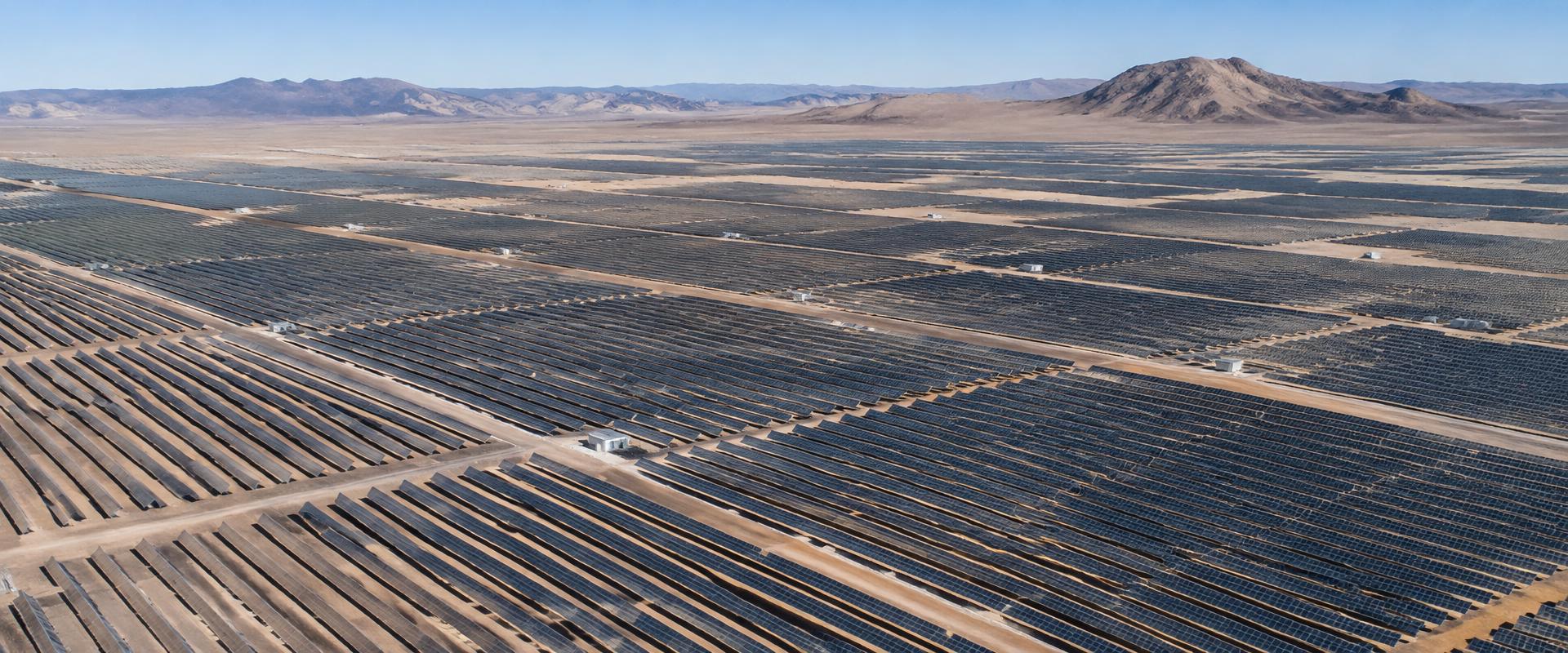
Local compute is mostly government and small-to-medium scale; Gobi green power is the real basis for a regional compute hub.
Capital
The Chinggis Khaan sovereign wealth fund is about USD 1.4 billion; Hunnu City is planned at about 31,000 hectares.
Use cases
Mining, herding, logistics, cross-border trade and tourism are high-value use cases; digital government already has a user base.
Governance
The AI strategy and Data Law are still being implemented — uncertainty is also a window to help shape the rules.
Six research programmes
National AI landscape
Annual six-dimension brief in Mongolian, Chinese and English.
Details →Policy briefs
Source links and key points on the national strategy, Data Law and data-centre policy.
Details →Mongolian AI datasets
Open corpora, labelling guidelines and licences — researchers and developers welcome.
Details →Compute & green energy models
Transparent models for PUE, green-power share and cost per unit of compute.
Details →Industry case studies
Pilot results and metrics in mining, herding, logistics and government.
Details →International network
Research partners across China, Japan, Korea, Northeast Asia and Belt and Road nodes.
Details →